TileShield Roofing
Carteret Tile Roof Replacement

Tile Roof Replacement in Carteret, done right the first time

Tile Roof Replacement in Carteret means matching the right tile and underlayment to a waterfront town that takes salt air, nor'easters and summer heat. We work the 07008 ZIP every week, from Carteret Center to the streets near Carteret Waterfront Park. Our crews lift and relay sound tile, replace failed underlayment, and install new clay, concrete and Spanish barrel roofs with copper flashing that holds up. One call gets you a straight answer and a written price.

24/7
Emergency response
1,200+
Carteret roofs serviced
post-storm tile repairs
Right now in Carteret

Carteret overview

Tile Roof Replacement in Carteret, built for this shoreline

Why we work in Carteret

Carteret sits in a spot where three things collide: salt water, industrial air, and a housing stock that is older than most of the roofs in neighboring towns. That combination creates steady demand for tile work that actually lasts. We see failed underlayment on 30- to 50-year-old tile roofs, flashing leaks around chimneys and sidewalls, and ridge cap damage after every strong coastal storm. Homeowners here do not want a patch that fails next spring. They want a roof that holds. That is the work we do, and it is why we keep a crew assigned to the 07008 ZIP.

Clay, concrete and barrel tile roofs built for salt air and coastal wind

Tile Roof Replacement in Carteret is its own job. This is a borough of roughly 2.5 square miles in Union County, sitting between the Arthur Kill and the Rahway River, and the weather here punishes roofs in ways inland towns do not see. Salt air off the waterfront eats at fasteners and flashing. Wind coming across the water lifts ridge caps and cracks brittle tiles. Older houses in Carteret Center and Carteret North still carry original clay and concrete tile over underlayment that has been baked and soaked for decades. We serve Carteret as a Carteret roofing contractor because the work is specific: you need a crew that knows how to walk a brittle tile roof without breaking half of it, and how to source matching tile for a roof that was installed before most of us were born. Our tile roofing services in Carteret NJ cover repair, lift and relay, full replacement and everything between. We treat a Carteret roof like it is going to face another twenty nor'easters, because it will.
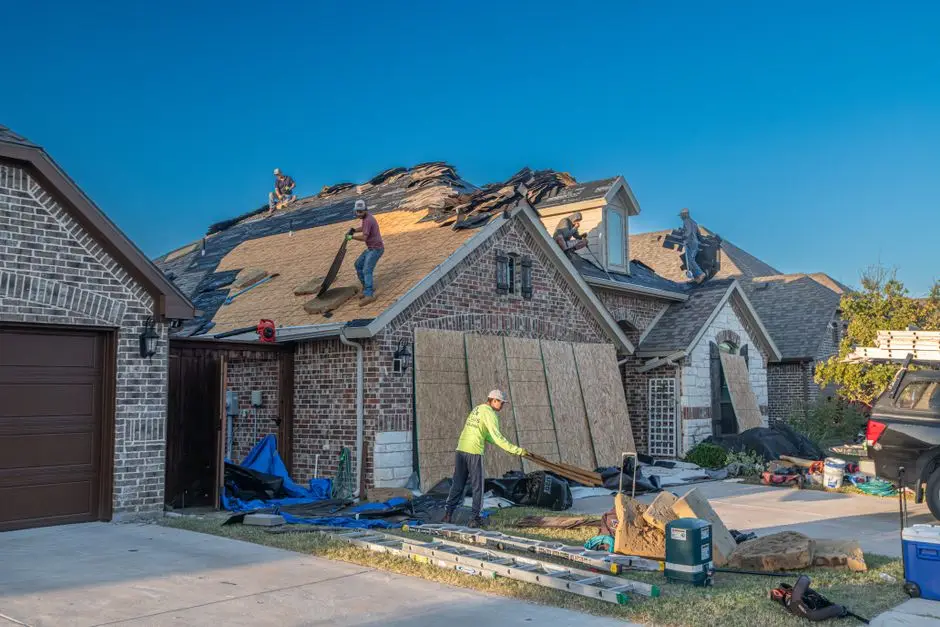
Services available

Tile Roof Replacement services we run in Carteret

Carteret roofs need different things depending on where they sit. A waterfront house near Carteret Waterfront Park fights salt air and wind; a house in Carteret North may just need underlayment replaced under tile that is still good. We handle both, plus everything in between. If you have been searching for affordable Tile Roof Replacement in Carteret near me, the list below is what we actually do here, not a generic menu. Every job starts with an inspection and an honest call on whether you need a repair, a partial replacement, or a full tear-off.

How we work locally

How we run Tile Roof Replacement in Carteret

Challenge: Salt air corroding fasteners and flashing

Salt air off the Arthur Kill and the Rahway River attacks metal fasteners, flashing and ridge cap mortar faster than inland New Jersey. Roofs near Carteret Waterfront Park show corrosion years earlier than the same roof five miles inland, and that corrosion is what turns a small repair into a leak.

Solution: We use corrosion-resistant fasteners and copper flashing on Carteret roofs instead of the cheapest galvanized options. On waterfront homes we check every penetration and ridge cap for corrosion during inspection, not just the visible tile, so we catch the problem before water gets in.

Challenge: Older tile roofs with failed underlayment

Much of Carteret's housing stock went up decades ago with clay or concrete tile over felt underlayment. The tile is still good but the underlayment underneath has dried out, cracked and stopped shedding water. Homeowners see leaks and assume the whole roof is gone, when often only the underlayment needs replacing.

Solution: We lift the existing tile, strip and replace the underlayment and flashing, then relay the original tile with new fasteners. That saves the cost of new tile and keeps the roof looking the way it always has. It is the single most common job we run in Carteret Center and Carteret North.

Neighborhoods we serve

Carteret CenterCarteret NorthCarteret SouthCarteret EastCarteret WestWaterfront blocks near Carteret Waterfront Park

Where we work

Carteret

Latitude: 40.5773

Extract Directions

Case files

Recent project: 1

Carteret Center

Challenge

A 1950s clay tile roof in Carteret Center was leaking into a second-floor bedroom after every heavy rain. The tile looked fine from the street, but the underlayment underneath had dried out and cracked across the whole south slope.

Execution

We lifted the original clay tile, stacked and sorted it on the lawn, and stripped the failed felt down to the deck. We replaced two rotted sheathing panels, installed new ice and water shield at the eaves and valleys, laid synthetic underlayment across the slope, and replaced the chimney flashing with copper. Then we relayed the original tile with new corrosion-resistant fasteners.

Impact

The leak stopped, and the homeowner kept the original clay tile instead of paying for a full replacement. The job took four days and cost roughly 40 percent less than a new tile roof would have.

Recent project: 2

Waterfront blocks near Carteret Waterfront Park

Challenge

A nor'easter lifted ridge caps and broke a dozen edge tiles on a waterfront home near Carteret Waterfront Park. Water was getting in at the ridge and staining the ceiling in two rooms.

Execution

We tarped the ridge the same day and secured the loose tile. Once the weather cleared we replaced the broken edge tiles with matching stock, re-bedded and mechanically fastened the ridge caps, and replaced the corroded flashing at the chimney with copper. We also upgraded the fasteners along the wind-exposed edge.

Impact

The roof came through the next storm without a single lifted cap. The homeowner added an annual fall maintenance visit, and we have caught two loose caps on later inspections before they became leaks.

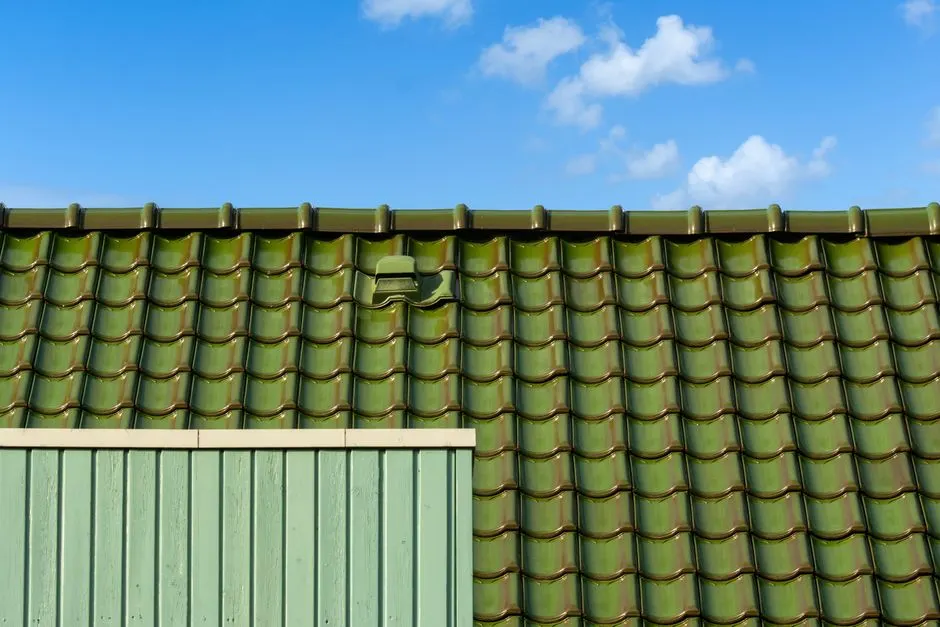
Closeup of a green tiled roof under a bright blue sky, capturing architectural detail and color contrast.
Our track record
Our track record

What we see on Carteret roofs

Carteret tile roof patterns

Across more than 1,200 Carteret roofs we have inspected, repaired or replaced, the same patterns show up again and again. Failed underlayment under sound tile is the biggest one, especially on homes built before 1980 in Carteret Center and Carteret North. Corroded flashing and fasteners come second, concentrated on the waterfront blocks near Carteret Waterfront Park where salt air does its work. Ridge cap damage after coastal storms is third, and it is the repair we get called for most often in the days after a nor'easter. We track what we find on every job so we can tell a Carteret homeowner what their roof is likely to need next, not just what it needs today. That is how a Carteret Tile Roof Replacement turns into a roof that lasts instead of a repeat call.

1,200+
Carteret roofs serviced

Local questions

How much does Tile Roof Replacement cost in Carteret?

Typical 2026 pricing in Carteret runs from about $1,200 to $3,500 for a repair or partial replacement, $9,000 to $22,000 for a lift and relay, and $18,000 to $45,000 for a full tile roof replacement. Waterfront homes near Carteret Waterfront Park often run higher because we use copper flashing and corrosion-resistant fasteners. We give you a written price before any work starts.

Who is the best Tile Roof Replacement contractor in Carteret NJ?

The right contractor is the one who inspects before quoting, uses copper flashing on coastal roofs, and can explain why your roof failed instead of just selling a replacement. Ask whether they are registered with the New Jersey Division of Consumer Affairs and whether they carry NRCA certification. We are happy to walk you through our credentials and show you Carteret jobs we have completed.

Is emergency tile roof repair available in Carteret 24/7?

Yes. We run 24/7 emergency response for Carteret, including nights and weekends. When a storm opens your roof, we tarp and secure it first to stop the water, then do the permanent repair once conditions allow. Call and we will tell you exactly when a crew can be at your address.

Licensed & insured

Licensed, insured and code-compliant

Tile work in Carteret has to clear New Jersey code, and we build every job to pass. We are registered as a home improvement contractor with the New Jersey Division of Consumer Affairs, we carry general liability and workers' compensation coverage, and we pull permits when the work requires them. Our crews hold OSHA safety certification, and our installers are trained on tile systems from manufacturers including GAF, Owens Corning and CertainTeed. We are also members of the Tile Roofing Institute, which keeps us current on installation standards for clay, concrete and barrel tile. If you want to verify any of it, ask and we will show you the paperwork.

NJ Home Improvement Contractor registration
New Jersey construction permit and inspection compliance
GAF Master Elite GAF
When To Call

Signs your Carteret roof needs tile work

Tile roofs fail slowly, and the signs are easy to miss until water is inside the house. In Carteret the pattern is usually the same: the tile looks fine, but something underneath has given up. If you have been searching for affordable Tile Roof Replacement in Carteret near me, start with these five signs. Any one of them is worth an inspection, and two or more usually means the roof needs real work, not a patch.

1. Ceiling stains that appear after heavy rain

Water on your ceiling almost always means the underlayment or flashing has failed, not the tile. On Carteret tile roofs the entry point is often ten feet from the stain, which is why guessing at the tile above the stain wastes money. Get it inspected before the next storm.

2. Cracked or slipped tiles visible from the ground

A cracked tile lets water straight into the underlayment, and a slipped tile leaves a gap in the roof's first line of defense. On Carteret's older roofs, one cracked tile usually means several more nearby. This is a same-week repair, not a wait-and-see.

3. Granules or tile fragments in the gutter

Finding pieces of tile in your gutter means the roof is shedding material, which points to freeze-thaw damage or an aging tile field. In Carteret this shows up most on concrete tile after a hard winter. It is a sign the roof is losing its surface and needs a closer look.

4. Ridge caps that are loose, cracked or missing

Ridge caps take the full force of coastal wind in Carteret, and they are the first thing to fail. Loose or missing caps let water in at the peak of the roof, where it spreads fast. After any strong storm, check the ridge line from the ground.

5. Daylight or dampness in the attic

Daylight through the roof deck means there is an opening, and damp attic sheathing means water is getting in somewhere. Both point to flashing or underlayment failure. On a Carteret tile roof this is the stage where a lift and relay can still save you from a full replacement.

Local Problem Patterns

Common tile roof problems in Carteret

Carteret's location drives most of the tile roof problems we see. Salt air off the water corrodes metal. Coastal wind works on ridge caps and edges. The borough's older housing stock means a lot of roofs are running on underlayment that was installed decades ago. Add industrial air quality near the Arthur Kill and you get a specific set of problems that repeat across the 07008 ZIP. Here are the four we handle most, and why they happen here.

Failed underlayment under sound tile

Why it happens here

Underlayment has a shorter life than tile, and on Carteret's older roofs the felt has been baking and soaking for 30 to 50 years. It dries out, cracks, and stops shedding water even though the tile above it still looks fine. This is the number one reason Carteret homeowners call us.

Our approach

We lift the tile, strip and replace the underlayment and flashing, then relay the original tile. You get a watertight roof without paying for new tile, and the roof keeps the look it has always had. Most Carteret lift and relay jobs take three to five days.

Corroded flashing and fasteners

Why it happens here

Salt air off the Arthur Kill and the Rahway River attacks galvanized metal, and Carteret roofs near the water show corrosion years before inland roofs do. Corroded flashing pulls away from chimneys and sidewalls, and corroded fasteners let tile shift. Both open paths for water.

Our approach

We replace failed flashing with copper, which handles salt air far better than galvanized steel, and we use corrosion-resistant fasteners on every Carteret roof. On waterfront homes we check all penetrations and the ridge line at every visit.

Ridge cap damage after coastal storms

Why it happens here

Wind coming across the water hits Carteret roofs with nothing to break it. Ridge caps are the most exposed part of the roof, and the mortar holding them down weakens over time. After a nor'easter we get a wave of calls from Carteret East and the waterfront blocks.

Our approach

We re-bed and mechanically fasten ridge caps instead of relying on mortar alone, and we replace caps that are too far gone. On exposed roofs we recommend a fall maintenance visit so loose caps get fixed before winter wind finds them.

Roof valley leaks

Why it happens here

Valleys carry the most water on any roof, and on tile roofs they fail when the metal or membrane under the tile wears through. Carteret's older roofs often have valley flashing that has been patched more than once. The leak shows up as a ceiling stain far from the valley itself.

Our approach

We rebuild the valley with copper or the correct membrane, relay the tile over it, and check the surrounding underlayment while we are in there. Fixing the valley properly stops the leak instead of moving it somewhere else.

Local Pricing

What Tile Roof Replacement costs in Carteret

Typical 2026 pricing for Tile Roof Replacement in Carteret runs from about $1,200 to $3,500 for a repair or partial replacement, and $18,000 to $45,000 for a full tile roof replacement depending on size, pitch and material. A lift and relay, which is the most common big job in Carteret, usually lands between $9,000 and $22,000 because you are paying for labor and underlayment, not new tile. Clay tile costs more than concrete, and Spanish barrel sits at the top of the range. Waterfront homes near Carteret Waterfront Park often run higher because we use copper flashing and corrosion-resistant fasteners. We give you a written price before we start, and we tell you if a repair will do the job instead of a replacement.

Availability in Carteret: We run 24/7 emergency response for Carteret, including nights and weekends, because storm damage does not wait for business hours. Standard inspections and estimates are scheduled Monday through Saturday, and we can usually get to a Carteret address within a day or two for a non-emergency call. If you need emergency tile roof replacement in Carteret 24/7, call and we will tell you exactly when a crew can be there.

1

Roof size and pitch

A larger, steeper Carteret roof takes more labor, more material and more safety setup. Pitch also affects how fast we can work, since steep roofs need harnesses and slower movement. A simple gable roof costs less per square foot than a cut-up roof with multiple valleys and dormers.

2

Tile material and profile

Concrete tile is the most affordable option, clay sits in the middle, and Spanish barrel tile is the most expensive. Matching an existing profile on a Carteret roof can add cost if the tile is no longer standard, which is why we keep common Carteret profiles in stock.

3

Underlayment and flashing scope

If the tile is sound and only the underlayment needs replacing, a lift and relay saves you thousands compared to a full replacement. If the decking is rotted or the flashing is corroded, that adds cost. We inspect before we quote so the price reflects the actual work.

Year-Round Coverage

How Carteret seasons affect your tile roof

Carteret's climate runs on a coastal rhythm: wet springs, hot summers, windy falls, and winters that mix freeze-thaw cycles with nor'easters. Each season puts different stress on a tile roof, and each one brings a different kind of call. Knowing what to expect season by season helps you stay ahead of the repair instead of reacting to the leak. Here is what we see across the year in the 07008 ZIP.

Spring

Spring rain finds every weak point in a Carteret roof. Underlayment that survived the winter starts leaking, and flashing that pulled loose over the winter shows up as ceiling stains. This is our busiest season for leak repair and underlayment work.

Tip

Get an inspection in early spring, before the heavy rain. Catching a flashing problem in March is far cheaper than fixing water damage in May.

Summer

Heat expands tile and cooks the underlayment from above and below. Attic ventilation matters most in summer, because a hot attic shortens underlayment life. We also see more tile cracking in summer as the roof cycles between hot days and cool nights.

Tip

If your attic is hot enough to feel uncomfortable, add ventilation. It is one of the cheapest ways to extend the life of a Carteret tile roof.

Fall

Fall is the best time for tile work in Carteret. Temperatures are mild, which is easier on sealants and mortar, and the roof is dry. It is also when we do most of our maintenance visits, catching loose ridge caps and cracked tiles before winter wind and freeze-thaw.

Tip

Book a fall maintenance visit. Fixing a loose ridge cap in October is a small repair; fixing it after a January nor'easter is a leak.

Winter

Winter brings the worst of it: freeze-thaw cycles that crack tile, nor'easters that lift ridge caps, and ice dams at the eaves that force water under the tile. Carteret's waterfront roofs take the brunt. This is our peak season for emergency and storm damage calls.

Tip

After any winter storm, check your ridge line and gutters from the ground. If you see missing caps or tile fragments, call before the next storm. We run 24/7 for Carteret emergencies.

Hiring Smart

Questions to ask a Carteret roofing contractor

Hiring the wrong roofer in Carteret costs more than money. Unpermitted work can complicate an insurance claim, and a crew that does not know tile can break half your roof just walking on it. The questions below are the ones that separate a real tile roofing contractor from a general roofer who will sub the job out. Ask them before you sign anything, and pay attention to whether the answers are specific or vague.

  1. 1

    "Are you registered with the New Jersey Division of Consumer Affairs?"

    Why it matters

    New Jersey requires home improvement contractors to be registered with the state. It is the first thing to verify, because it is what gives you recourse if the job goes wrong. A contractor who dodges the question or cannot show registration is not one you want on your roof.

  2. 2

    "How do you find the actual source of a leak on a tile roof?"

    Why it matters

    On tile roofs the leak is rarely where the stain is. A good contractor uses a moisture meter and infrared leak detector to trace the water to its entry point. If the answer is just looking at the tile above the stain, they will be back next rain.

  3. 3

    "Will you lift and relay my existing tile, or do I need a full replacement?"

    Why it matters

    If your tile is sound and only the underlayment has failed, a lift and relay saves you thousands. A contractor who jumps straight to full replacement without checking the tile is either inexperienced with tile or selling you more than you need.

  4. 4

    "What flashing material do you use on Carteret roofs?"

    Why it matters

    Salt air corrodes galvanized flashing fast on Carteret roofs, especially near the water. Copper costs more up front but lasts far longer in this environment. If the answer is whatever is cheapest, you will be paying for the same repair again in a few years.

  5. 5

    "Will you pull the permit and provide a written scope?"

    Why it matters

    Most roof replacements in New Jersey need a permit and inspection. Unpermitted work can cause problems when you sell the house and can give your insurer a reason to push back on a claim. A written scope protects you if the job does not go as described.

Knowing the Area

Getting around Carteret to reach your roof

Carteret is a compact borough, but the landmarks matter when we are routing crews and scheduling work. We use Carteret Waterfront Park as our reference point for the waterfront blocks, Carteret Middle School for the residential streets around it, and the Carteret Municipal Building for the Center. If you are near the Carteret Public Library, you are in the part of town where we do the most underlayment work. Knowing the borough this well means we show up when we say we will, with the right material on the truck.

Landmarks

  • Carteret Waterfront Park

    The park anchors the waterfront blocks, which are the most wind- and salt-exposed roofs in the borough. When a homeowner says they are near the park, we know to bring copper flashing and corrosion-resistant fasteners.

  • Carteret Middle School

    The streets around Carteret Middle School are mostly older single-family homes with original tile roofs. We schedule work here around school hours so we are not blocking drop-off and pick-up traffic with a dumpster or material stack.

  • Carteret Municipal Building

    The Municipal Building is where permits and inspections run through, and it sits in the middle of the borough. It is our reference point for Carteret Center jobs and the shortest route to the Center's older tile roofs.

Commercial Districts

  • Carteret Center business district

    The Center's commercial strip has a mix of older buildings with flat and low-slope roofs plus residential tile roofs on the streets behind it. Demand here is split between commercial roof repair and residential tile work, and we handle both.

  • Industrial corridor along the Arthur Kill

    The industrial areas bring air quality concerns that affect nearby residential roofs. Homeowners in the blocks downwind of the corridor call us for tile cleaning, sealing and underlayment replacement more often than the rest of the borough.

Transport & Access

  • New Jersey Turnpike Exit 12 (Carteret)

    Direct access from the Turnpike makes Carteret one of the easier towns for us to reach with material. It also means we can get a crew and a loaded truck to your roof quickly after a storm.

  • Route 1/9 and the Rahway River crossings

    Route 1/9 and the river crossings connect Carteret to Linden, Rahway and Woodbridge. We route Carteret jobs through these corridors, which keeps travel time short and lets us fit more Carteret work into a day.

Service Area

Tile Roof Replacement Coverage Across Carteret & Middlesex County

Routine and same-week appointments for residents and businesses across Middlesex County, including the ZIP codes below.

7008
!

Get your Tile Roof Replacement in Carteret started

If your Carteret roof is leaking, shedding tile or overdue for an inspection, we can help. We work the 07008 ZIP every week, we know what salt air and coastal wind do to tile roofs here, and we give you a straight answer about whether you need a repair, a lift and relay, or a full replacement. Call us and we will schedule an inspection, show you what we find, and give you a written price before any work begins.

Book an inspection
Call Now: 1112222333